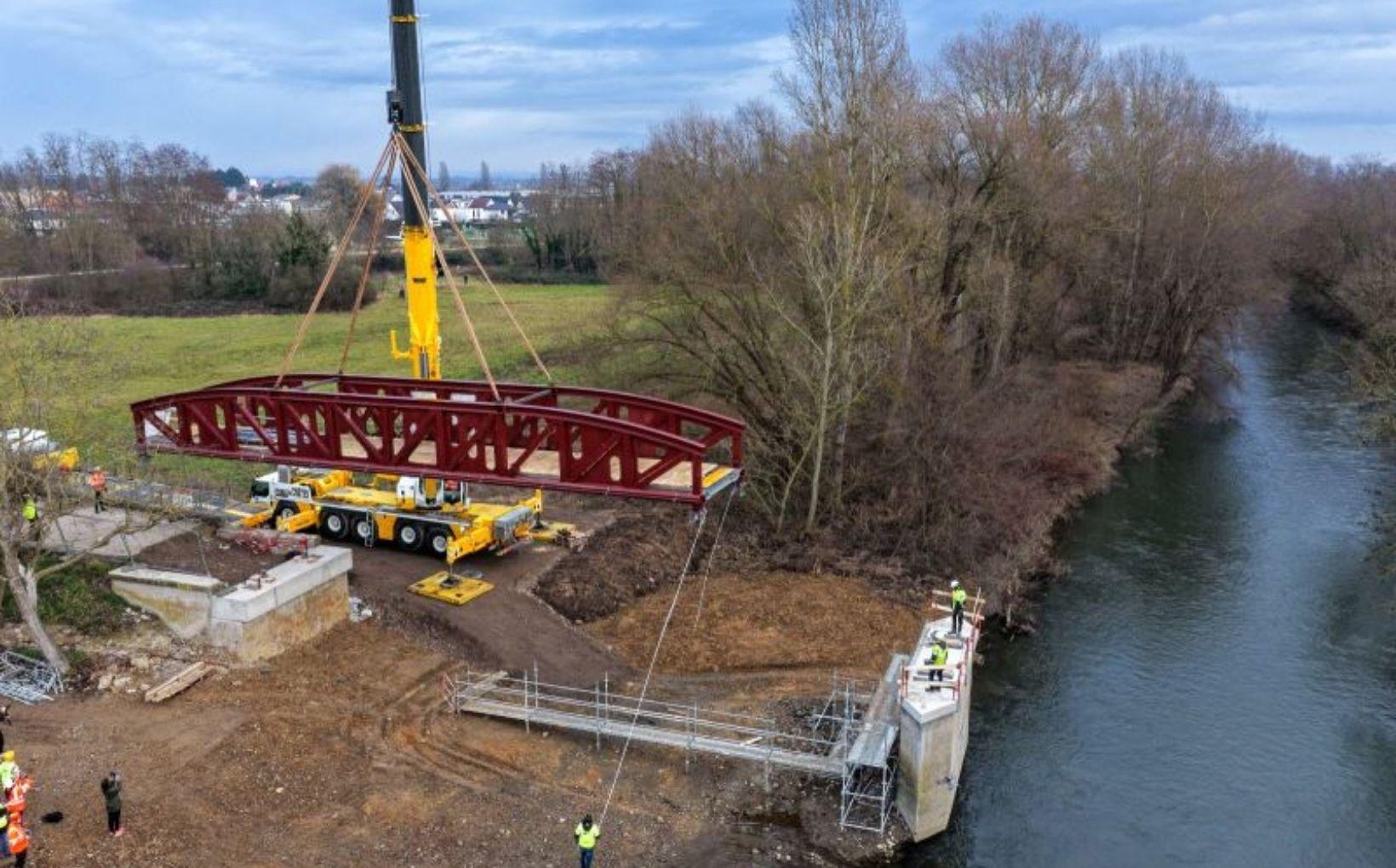
Chain hoists are among the most widely used lifting solutions across construction, infrastructure, industrial maintenance and offshore projects. Choosing the right hoist can improve safety, increase efficiency and help ensure lifting operations run smoothly.
Drawing on more than 50 years of lifting expertise, here are five best practices to consider when selecting and using chain hoists.
1. Choose the right hoist for the application
Not all chain hoists are designed for the same tasks. Load weight, lift height, frequency of use and the working environment should all be considered before equipment is selected.
LGH supplies a range of hand chain hoists, air chain hoists and electric chain hoists, helping customers find the most suitable solution for their specific application.
For a more detailed breakdown of the different options available, read our Are You Using the Right Chain Block for Your Application guide.
2. Consider the working environment
The environment often plays just as important a role as the load itself.
Restricted spaces, hazardous areas, offshore locations and industrial facilities can all influence the type of chain hoist required. For example, manual chain blocks are often used in confined spaces, while air-powered hoists are commonly chosen for demanding or hazardous environments.
Our lifting specialists can help assess site requirements and recommend the most appropriate equipment for the job.
3. Never overlook lifting capacity
Selecting a hoist with the correct Working Load Limit (WLL) is essential for safe lifting operations.
Different chain hoists offer different lifting capacities, ranging from smaller manual units to air-powered hoists capable of lifting significantly heavier loads. LGH's hoisting range covers applications from everyday lifting tasks through to specialist heavy-lift projects.
If you're unsure of the capacity required, our team can help ensure the correct equipment is specified.
4. Prioritise safety and compliance
All lifting equipment should be thoroughly inspected, tested and certified before use.
At LGH, every chain hoist is maintained, inspected and supplied with the appropriate certification, giving customers confidence that equipment arrives ready for use on site.
Regular inspections, proper lift planning and operator training should always form part of any lifting operation.
5. Work with a lifting specialist
Selecting the right chain hoist is not always straightforward. Factors such as lift frequency, power availability, environmental conditions and load characteristics all need to be considered.
With more than 50 years of experience, LGH works closely with customers to identify the best lifting solution for their application, helping improve efficiency while maintaining the highest safety standards. Whether you require a hand, air or electric chain hoist, LGH can help you select the right equipment for the job.
For further guidance, read our Are You Using the Right Chain Block for Your Application blog, which compares the advantages and considerations of each hoist type in more detail. Alternatively, speak to our lifting experts on 03704 247 247 or get in touch online to discuss your requirements.
Frequently asked questions
The following answers can be published on the page and used for FAQ structured data where appropriate.
What is the difference between manual electric and air chain hoists?
Manual chain hoists are operated by hand and do not require an external power supply. Electric chain hoists are suited to faster or repeated lifting where power is available, while air chain hoists are often selected for demanding environments where a suitable compressed-air supply is available.
What capacity chain hoist do I need?
The required capacity depends on the total load, including the weight of any rigging used with it. The Working Load Limit of the selected hoist must be suitable for the complete lifting arrangement.
Which chain hoist is suitable for a restricted space?
Manual chain blocks are compact and are often considered where access or headroom is restricted. The available lifting points, headroom, load and working environment should all be checked before equipment is selected.
Can an air chain hoist be used in a hazardous area?
Air chain hoists are commonly considered for demanding or hazardous environments, but the specific equipment must be suitable for the site's classification and operating conditions. LGH can help review the requirement.
Does LGH supply chain hoists with certification?
LGH chain hoists are maintained and inspected before hire and are supplied with the appropriate certification for the equipment.
Frequently asked questions
What is the difference between manual electric and air chain hoists?
Manual chain hoists are operated by hand and do not require an external power supply. Electric chain hoists are suited to faster or repeated lifting where power is available, while air chain hoists are often selected for demanding environments where a suitable compressed-air supply is available.
What capacity chain hoist do I need?
The required capacity depends on the total load, including the weight of any rigging used with it. The Working Load Limit of the selected hoist must be suitable for the complete lifting arrangement.
Which chain hoist is suitable for a restricted space?
Manual chain blocks are compact and are often considered where access or headroom is restricted. The available lifting points, headroom, load and working environment should all be checked before equipment is selected.
Can an air chain hoist be used in a hazardous area?
Air chain hoists are commonly considered for demanding or hazardous environments, but the specific equipment must be suitable for the site's classification and operating conditions. LGH can help review the requirement.
Does LGH supply chain hoists with certification?
LGH chain hoists are maintained and inspected before hire and are supplied with the appropriate certification for the equipment.