Lifting Equipment Hire for Ports and Infrastructure
Infrastructure work rarely gives you a convenient lifting point. A quayside crane rail, a bridge bearing, a culvert section, a switchgear room three floors down: the load is heavy, the access is poor, and the window is short. LGH hires the below-the-hook equipment that makes those lifts possible, tested and certified, from five UK locations.
Where our equipment goes
Ports and terminals, for quayside plant maintenance, crane component changes and cargo handling equipment repair. Highways and rail, for bridge bearing replacement, deck jacking, gantry and signal work. Water and utilities, for pump, valve and pipe section handling in chambers and treatment works. Civil structures, for precast, steelwork and module placement.
What we hire for it
- Modulift spreader beams and frames, 6t to 1,500t, with spans from 0.5m to over 30m. Modular construction means the beam breaks down for transport and rebuilds to the span your lift needs, which matters when access to a quayside or a bridge deck is restricted.
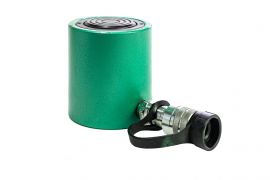
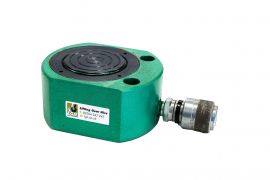
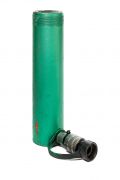
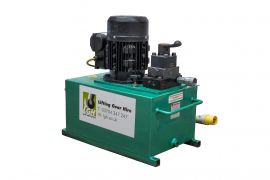
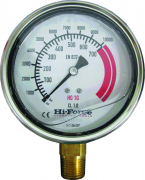
- Hi-Force hydraulic cylinders in low height, high tonnage, hollow piston and locknut configurations, for jacking, bearing replacement and controlled load transfer.
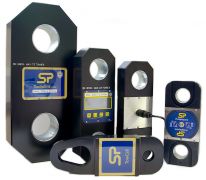
- Digital load links and compressive load cells, for verifying the weight of an unlabelled load and for monitoring how it is distributed across multiple jacking or lifting points during the lift.
- Chain hoists, aluminium gantries and beam trolleys, for the plant room and confined space work that sits alongside the headline lift.
Compliance, not just kit
Every item is tested, inspected and supplied with current certification, so it arrives ready for your lift plan rather than needing one. Alongside hire, LGH offers LOLER and PUWER inspection, testing and thorough examination, general lifting arrangement drawings and 24 hour emergency response.
Hire terms
Order before 2pm for next working day delivery UK wide, or collect from your nearest depot. Call the hire desk on 03704 247 247, email enquiries@lgh.co.uk or request a quote, and send us the load weight, the span and the available access. We will specify the assembly.
Ports and infrastructure lifting: common questions
Does LGH hire cranes for infrastructure projects?
No. LGH hires below-the-hook lifting and jacking equipment: spreader beams, hoists, hydraulic cylinders, gantries, rigging and load monitoring. If you already have crane capacity on site, we supply everything that goes between the hook and the load.
What equipment is used for bridge bearing replacement?
Typically low height hydraulic cylinders, because the clearance beneath a bridge deck is minimal, paired with compressive load cells so the load on each jacking point can be watched throughout. Locknut cylinders are used where the deck must be held mechanically rather than on hydraulic pressure alone.
Can LGH deliver to a port or a live site?
Yes. Order before 2pm for next working day delivery anywhere in the UK, or collect from your nearest LGH depot. Tell the hire desk about site access constraints when you order, because on restricted sites the assembled size of the equipment matters as much as its capacity.
Does hired equipment come with certification?
Yes. Every item LGH hires is tested, inspected and supplied with current certification, and the documentation arrives with the equipment. If you need it in advance to complete a lift plan or a client submission, ask the hire desk when you place the order.
How do I confirm the weight of an unlabelled load?
Put a digital load link in the rigging and take a live reading before the load leaves the ground. On older infrastructure the drawing weight is frequently wrong or missing entirely, and on a multi-point lift a link on each leg shows how the weight is genuinely distributed rather than how the calculation assumed it would be.
Can LGH help specify the equipment for a lift?
Yes. Send the load weight, the required span, the available headroom and the access constraints, and our team will specify the assembly. LGH also produces general lifting arrangement drawings and provides LOLER and PUWER inspection and thorough examination as a separate service.