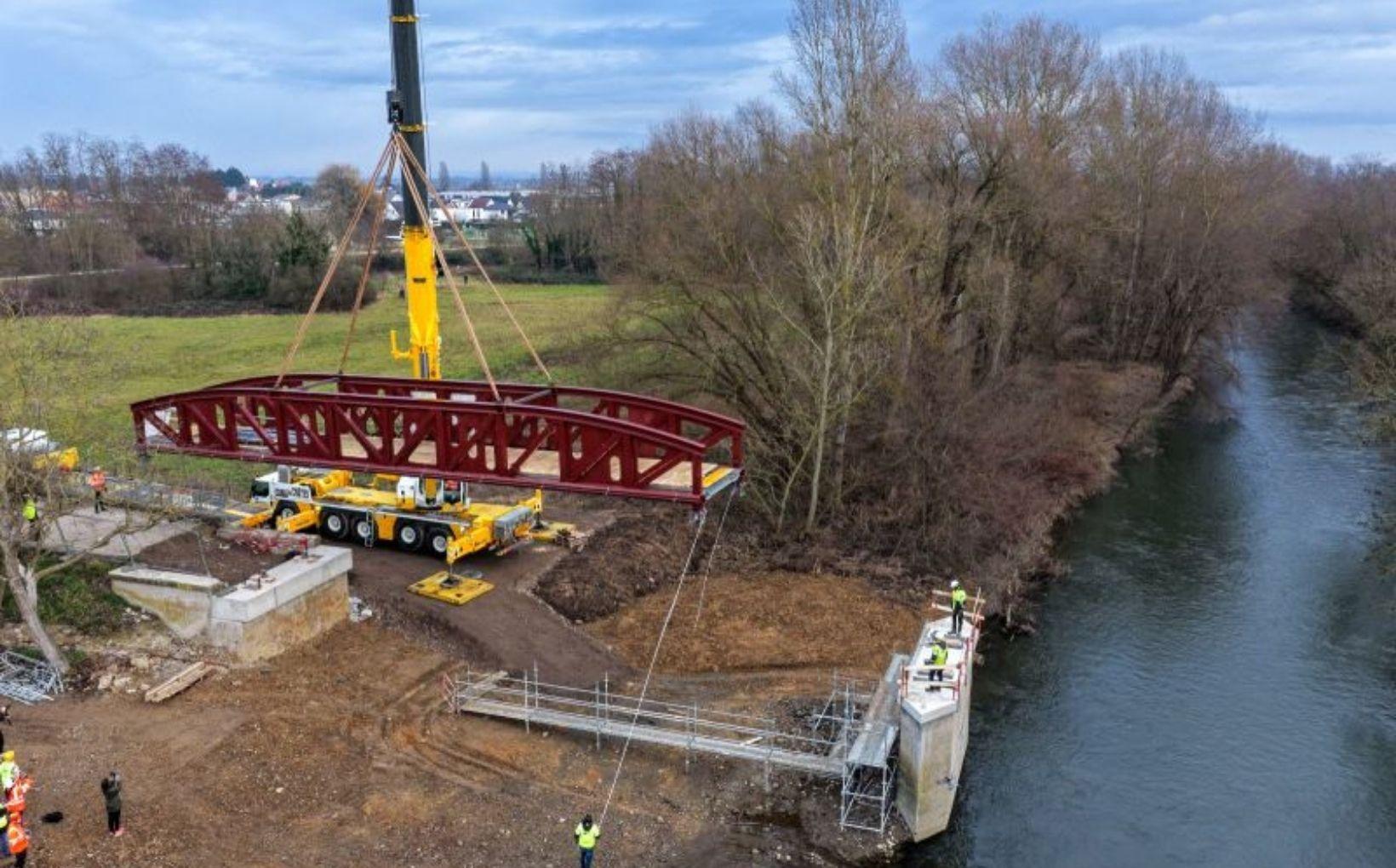
When a heavy lift is on the programme, the equipment has to be on site, in the right configuration, at the right time. When it isn't, the cost goes well beyond the hire: idle crews, booked cranes and a programme that slips.
We've written this guide because most hire delays are avoidable. They usually come down to talking to us too late, an incomplete specification, transport or paperwork that wasn't thought through, or a return that wasn't organised. Below are six ways to keep your heavy lifting hire on track, and how our Full Rental Partner service can help along the way.
Talk to us early
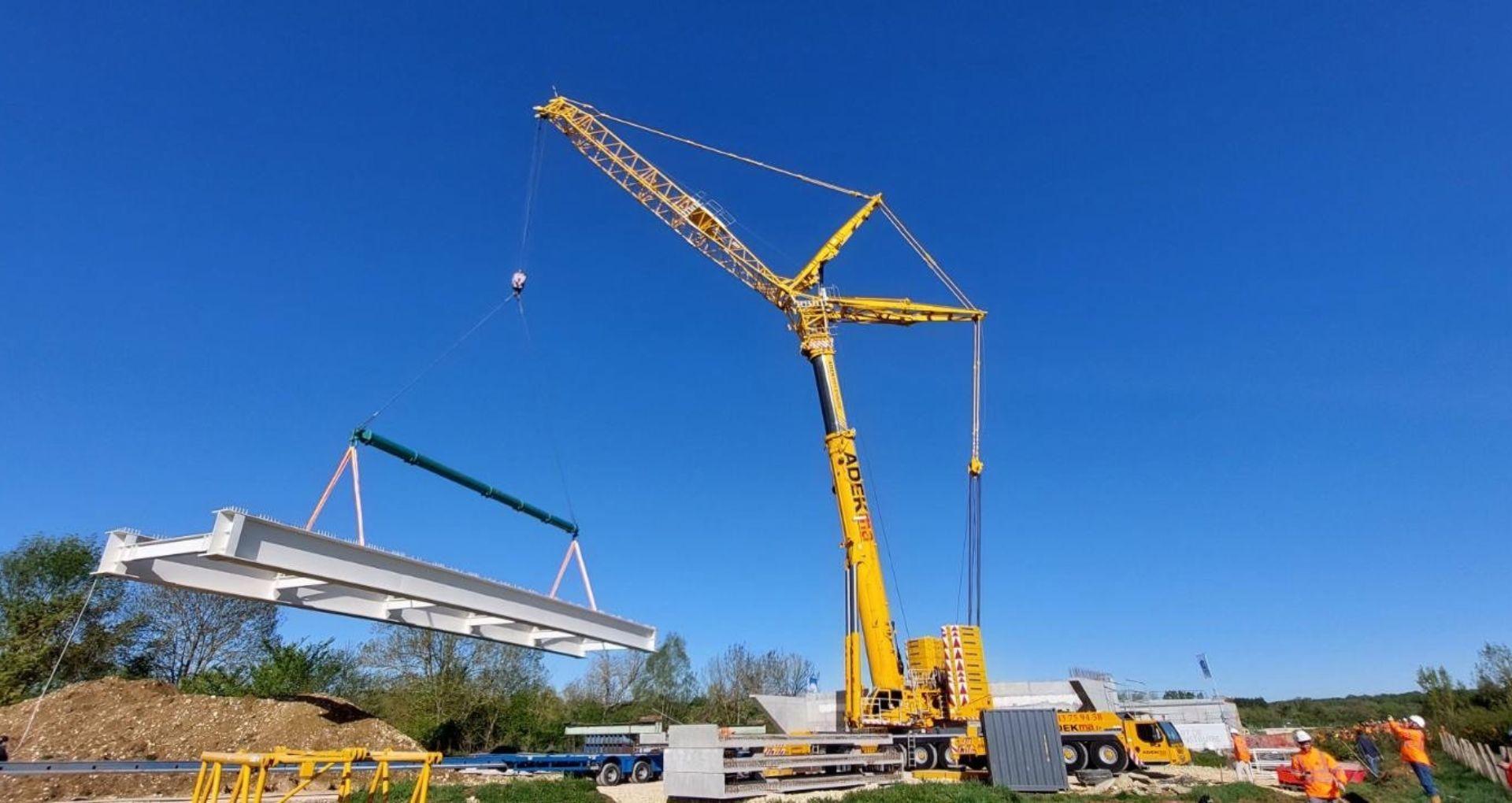
Large-capacity equipment such as spreader beams, lifting beams and heavy-duty shackles may need to be prepared and scheduled around other hires. The earlier we know your dates, the more options we have. If your programme isn't final, tell us what you know and update us as it firms up.
Give us the full picture
A wrong-size item means a second delivery and lost time. Have to hand the load weight, lift geometry, required capacity (including rigging weight), site conditions and dates.
Plan the lift with our technical team
Our technical account managers support you from enquiry through to off-hire, including on-site guidance for complex lifts. We can also produce General Lifting Arrangement drawings in-house, showing equipment positioning, lifting points and accessories before work begins, so everyone agrees the plan early.
Sort transport, access and paperwork
Check vehicle access, the unloading point and site contact details. The hirer is responsible for loading and unloading on site, so arrange lifting facilities in advance. Test certificates come with the delivery note, and our LOLER and PUWER inspection, testing and certification service can cover any of your own equipment used alongside the hire. Tell us about documentation requirements at the start.
Plan the return
Off-hire through our hire desk, quoting your order number, as equipment stays on hire until then. Return it in the same format you received it, with vehicle access and loading help available, and everything ready for a single collection.
Have a plan B
Ask about backup equipment for critical lifts, and let us know early if your programme changes. If something goes wrong at any hour, our 24/7 Emergency Response service gives you access to equipment and technical support.
One partner, from enquiry to off-hire
Delays often happen in the gaps between suppliers. Our Full Rental Partner offering brings equipment hire, technical support, LOLER and PUWER inspection, GLA drawings and 24/7 emergency response together under one roof. Talk to a lifting expert on 03704 247 247, contact us online or explore our services.
Frequently asked questions
How early should lifting equipment be booked?
Contact the hire team as soon as the likely equipment and project dates are known. Early notice provides more options for large-capacity equipment and gives time to confirm the final configuration.
What information is needed for an accurate lifting equipment quotation?
Provide the load weight, lift geometry, required capacity including rigging weight, site conditions, access requirements and project dates. Complete information reduces the risk of incorrect equipment and repeat deliveries.
What is a General Lifting Arrangement drawing?
A General Lifting Arrangement drawing shows the proposed equipment positioning, lifting points and accessories. It supports project planning and can be incorporated into the lift plan prepared by the appointed person.
Who is responsible for loading and unloading hired equipment on site?
The hirer is responsible for loading and unloading on site, so suitable lifting facilities, vehicle access and a site contact should be arranged before delivery and collection.
When does lifting equipment come off hire?
The equipment remains on hire until it is off-hired through the hire desk using the relevant order number. It should be ready for collection in the same format in which it was received.
How can a contingency plan reduce lifting delays?
Backup equipment can be considered for critical lifts, and programme changes should be communicated early. LGH's 24/7 emergency response service also provides access to equipment and technical support for urgent requirements.