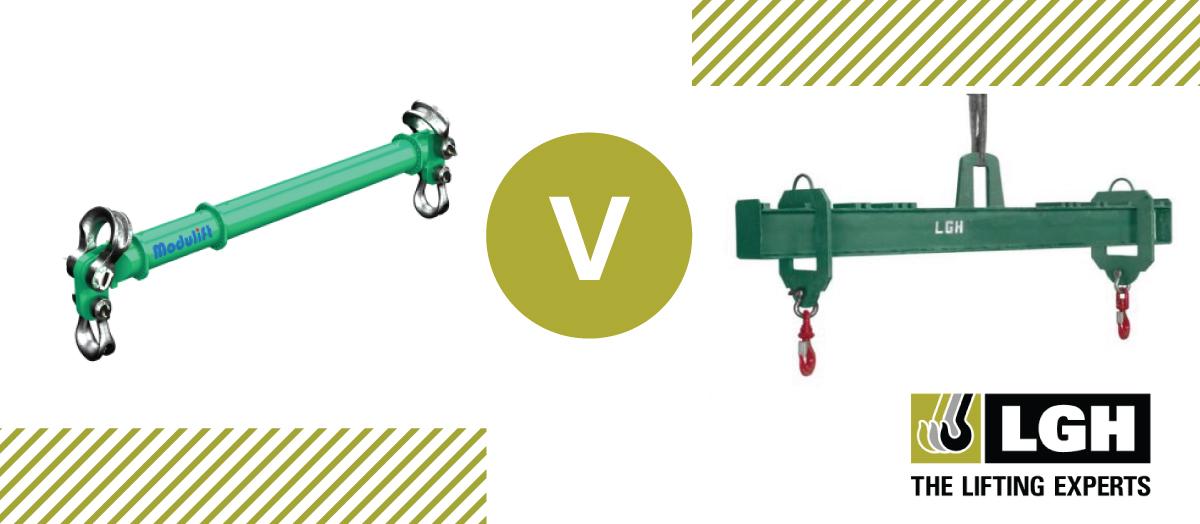
Spreader Beam vs. Lifting Beam: Which One Should You Hire?
When you need to move heavy or awkward cargo, choosing the wrong below-the-hook lifting equipment is more than just a minor inconvenience. It can cause serious project delays, increase costs, or create major safety hazards on your job site.
When on site, planning a tight crane setup can likely run into the ultimate rigging debate: Spreader Beam vs. Lifting Beam.
While they look similar at a glance, they work entirely different. In this blog, we go through the practical differences in physics, headroom restrictions, and site logistics so you can confidently hire the right gear for your next lift.
Compression vs. Bending
The absolute biggest difference between these two beams comes down to how they handle mechanical stress.
-
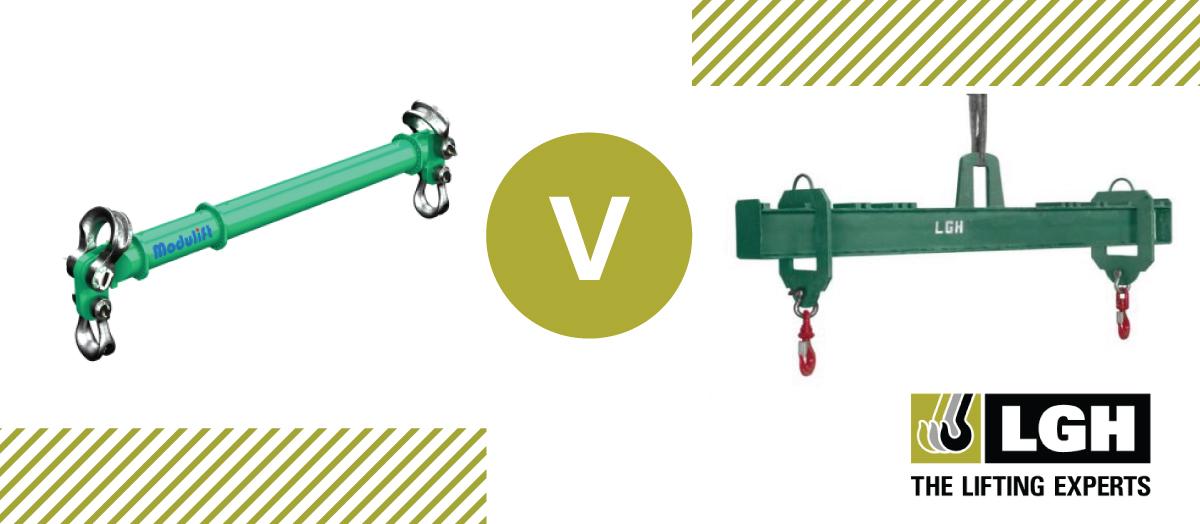
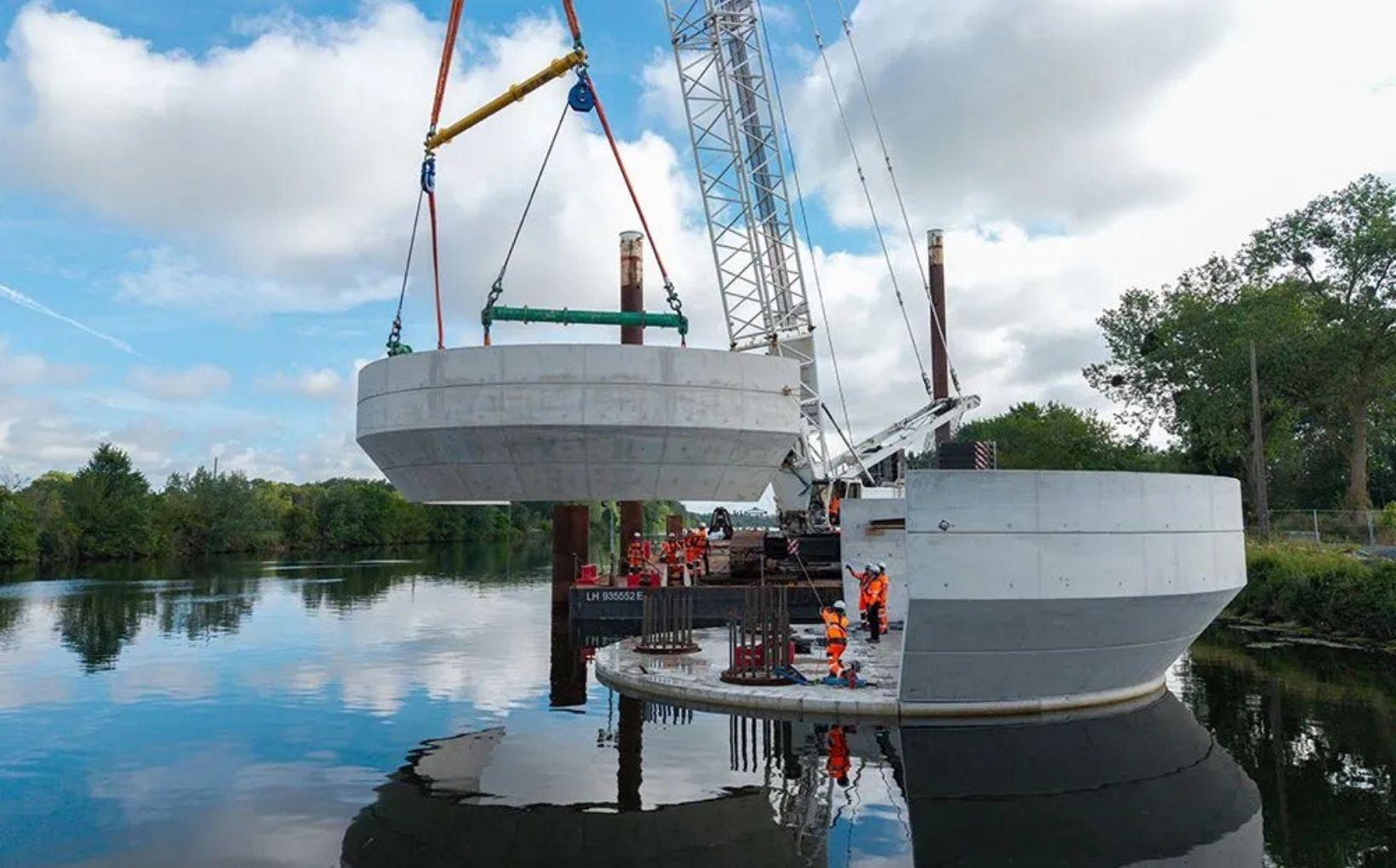
Spreader Beams (Compression): These use two top slings connected to a central crane hook at an angle. This setup forces the beam to experience compression (it gets squeezed from the sides). Because steel handles compression incredibly well, spreader beams are lighter while still holding massive loads.
-
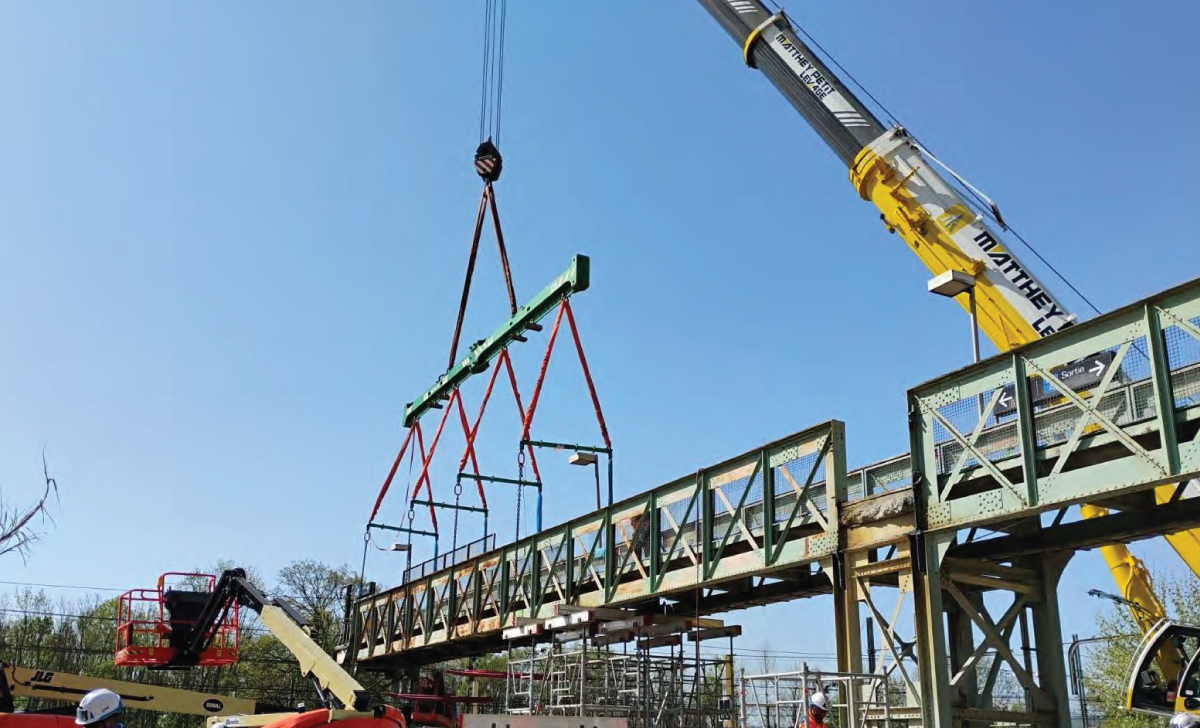
Lifting Beams (Bending): These feature a single lifting point right in the middle, connecting directly to the crane hook. The weight of the load hangs from underneath, putting the beam under immense bending stress. To stop it from bending or snapping in half, the beam must be made out of much thicker, heavier steel.
High Clearance vs. Low Clearance
If you are working indoors, under low ceilings, or inside a tight manufacturing facility, your headroom dictates your choice.
-
Lifting Beams win on low headroom. Because the crane hook attaches directly to the top of the beam, you lose almost zero vertical space. This makes them the ultimate choice for restricted indoor environments.
-
Spreader Beams require high clearance. Because they require long top slings to create that crucial compression angle, you need plenty of vertical clearance between the crane hook and the load.
Modular Flexibility vs. Fixed Rigging
Logistics and safety vary wildly between these two options. Choosing the right rental setup depends on your specific site limitations:
-
Versatility: High-quality modular spreader beams (like our Modulift range) allow you to bolt sections together to change the length across different projects. Lifting beams are typically fixed-length, heavy steel plates designed for specific, repetitive tasks.
-
Transport and Handling: Lifting beams are incredibly heavy and cumbersome to move. If transport weight or crane capacity is tight on your site, a lighter spreader beam can keep your total rigging weight manageable.
-
Safety Compliance: No matter which beam you choose, every single piece of hire equipment is checked, tested, and certified by experienced engineers before it leaves our depot.
Spreader Beam vs. Lifting Beam: Quick Reference Guide
|
Features |
Spreader Beam |
Lifting Beam |
|
Mechanical Force |
Compression (Squeezing) |
Bending & Shear |
|
Headroom Required |
High vertical clearance |
Minimal vertical clearance |
|
Device Weight |
Light and easy to handle |
Heavy and rigid |
|
Versatility |
High (Modular options) |
Generally fixed length |
|
Best for |
Wide, heavy, outdoor loads |
Low-clearance, indoor, or workshop lifts |
Which One Should You Hire?
Still unsure which one to add to your hire order? Use this quick rule of thumb:
-
Hire a Lifting Beam if: You are inside a workshop with restricted crane height, or lifting something that requires multiple bottom lifting points perfectly vertical to the load.
-
Hire a Spreader Beam if: You are outdoors on a construction site with plenty of sky above you, or dealing with exceptionally heavy or wide loads where you want to keep rigging weights down
Ready to plan your next lift?
At LGH, we have over 50 years of experience providing the widest choice of certified rigging equipment. Explore our extensive range of Modulift Spreader Beams or speak directly with one of our lifting experts today.