Bridge and tunnel projects present some of the toughest challenges in construction. From restricted access and heavy loads to demanding safety requirements, successful projects depend on careful planning, specialist equipment and expert execution.
Drawing on more than 50 years of experience supporting infrastructure projects across Europe, here are five best practices that help ensure successful bridge and tunnel construction.
1. Plan lifting requirements early
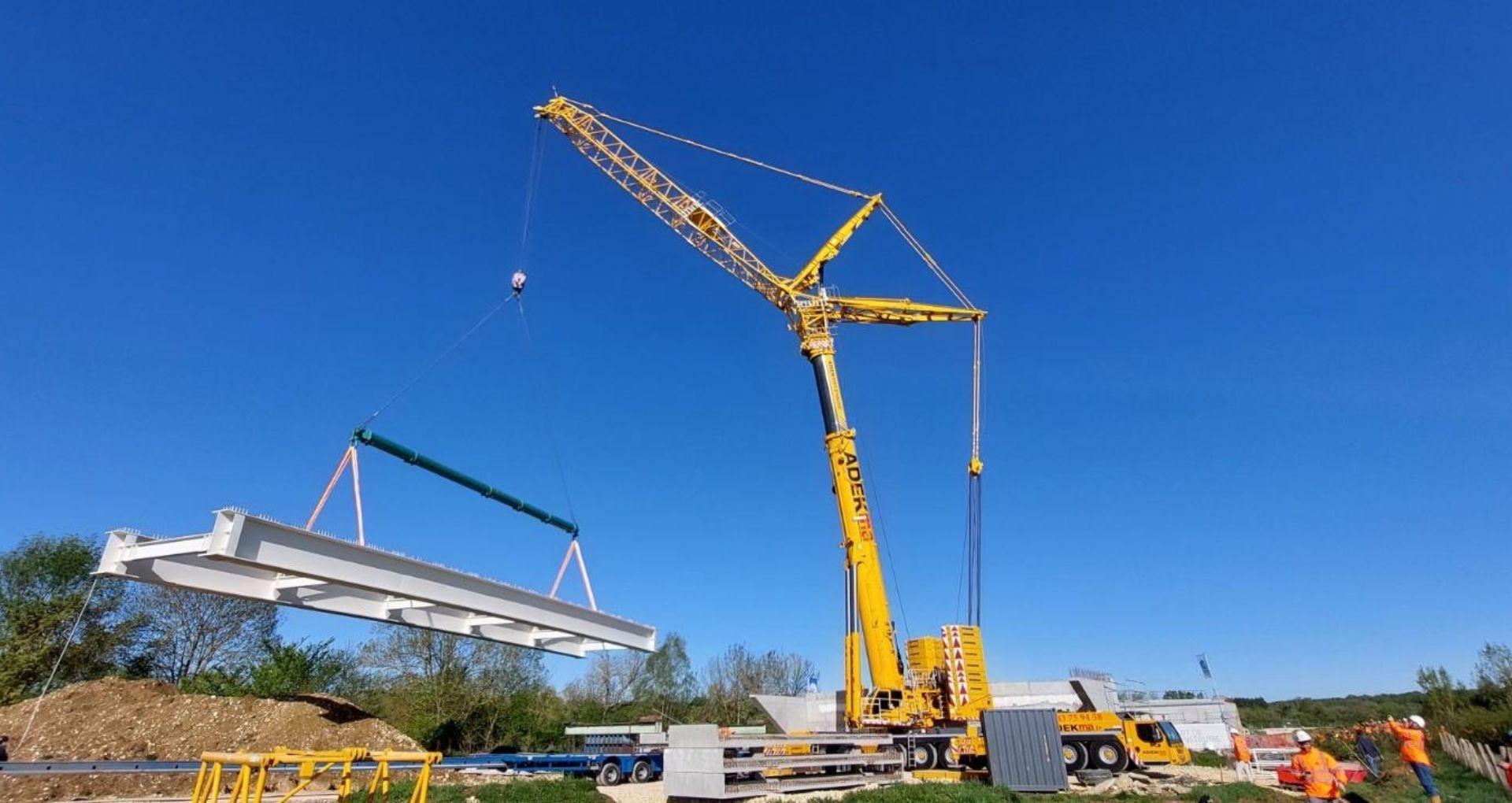
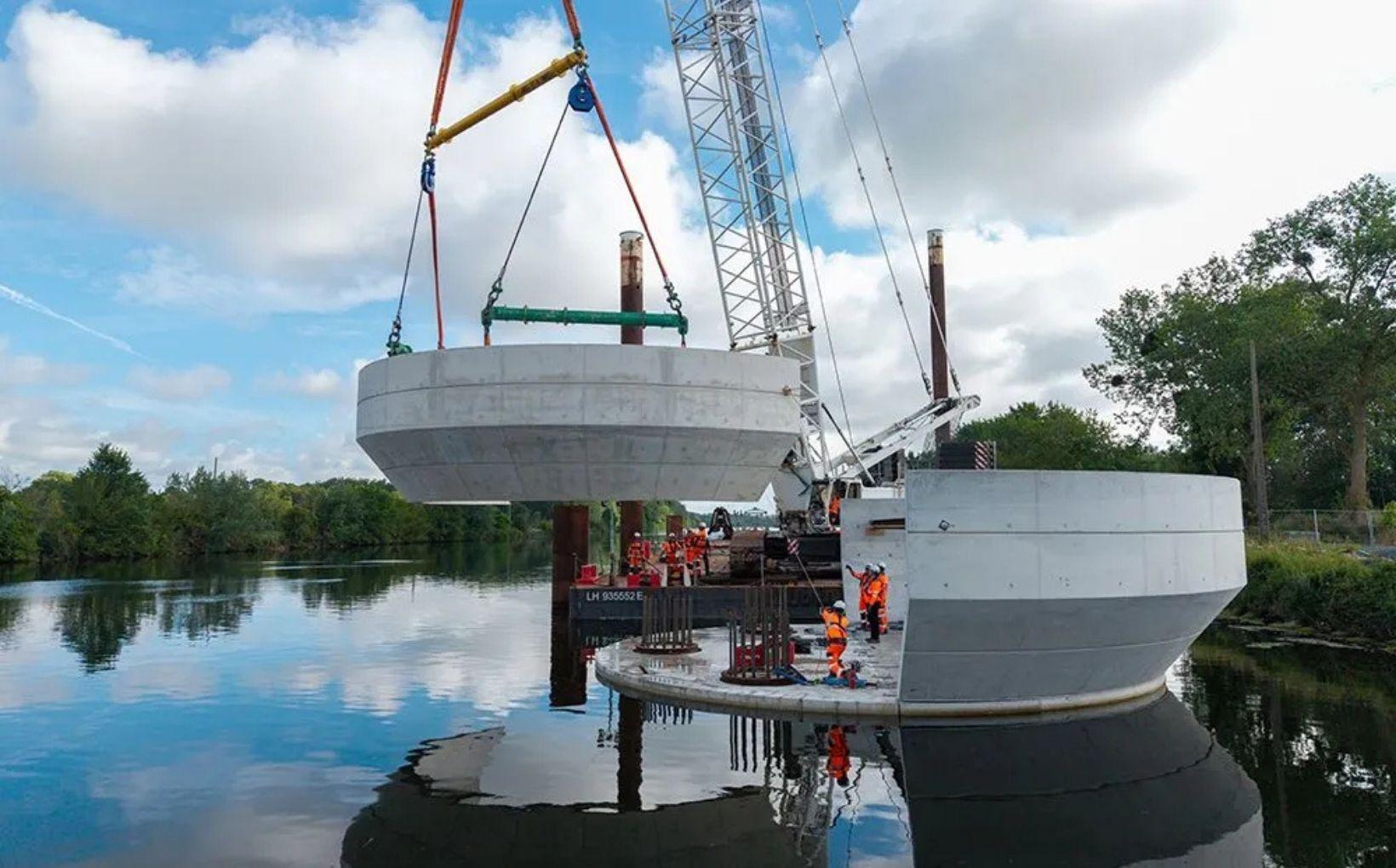
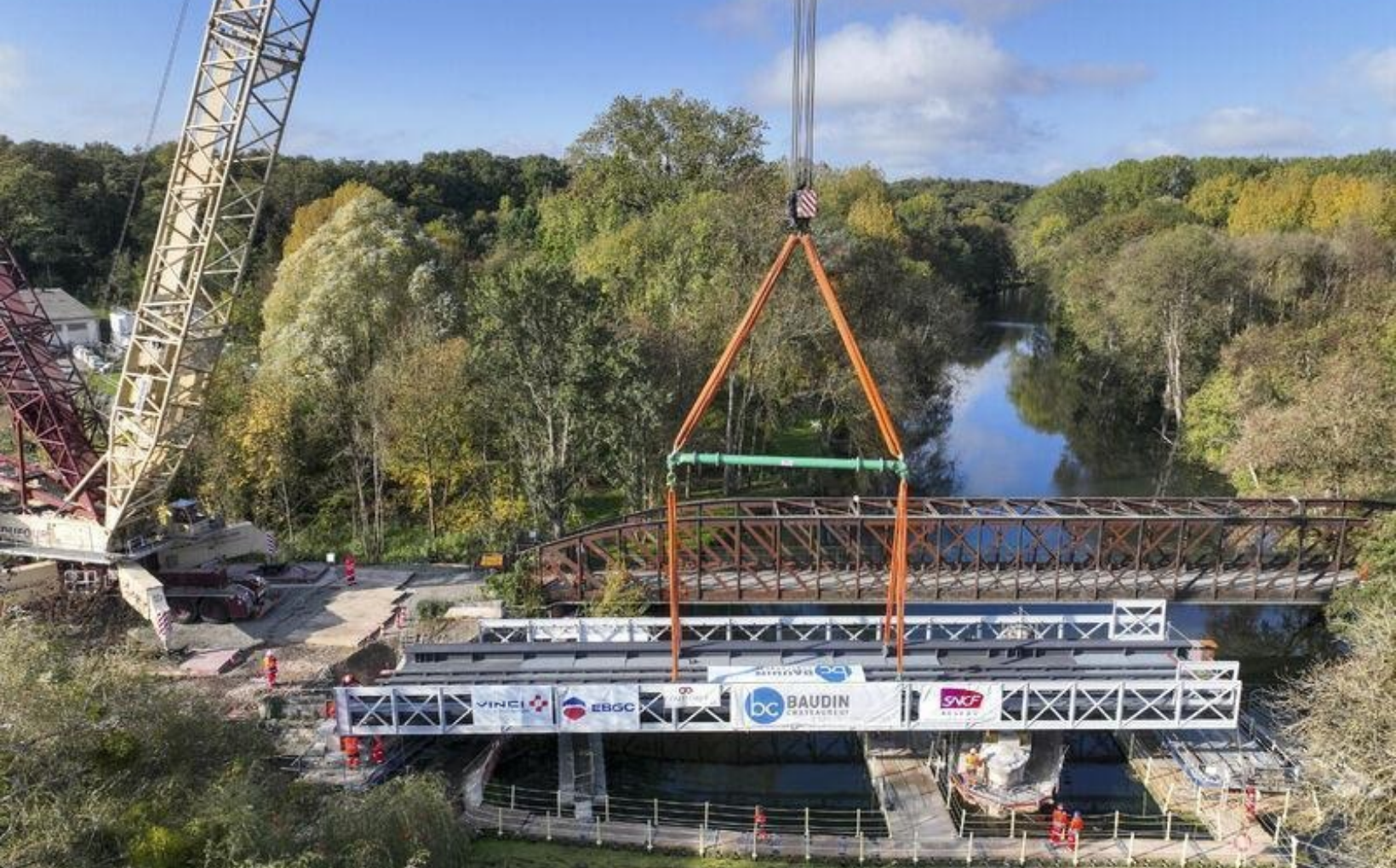
Lifting and material handling should be considered from the outset. Bridge and tunnel projects often involve large structural components, and early planning helps avoid delays, minimise risk and ensure the right equipment is available when needed. Recent projects such as the Colombelles Bridge and Esvres-sur-Indre Viaduct demonstrate the importance of selecting specialist lifting solutions that match the demands of the job.
Colombelles Bridge
Esvres-sur-Indre Viaduct
2. Assess site constraints before choosing equipment
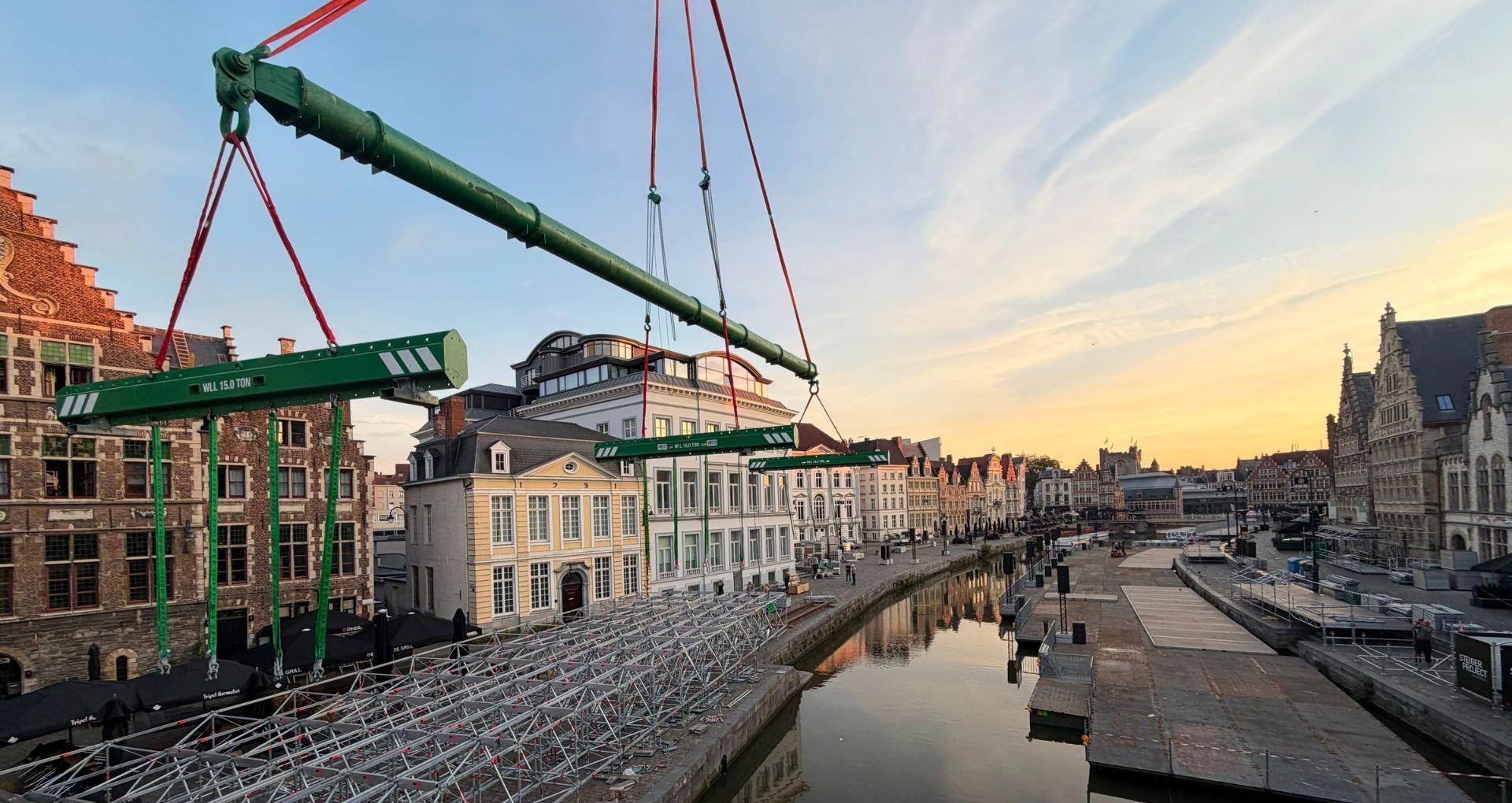
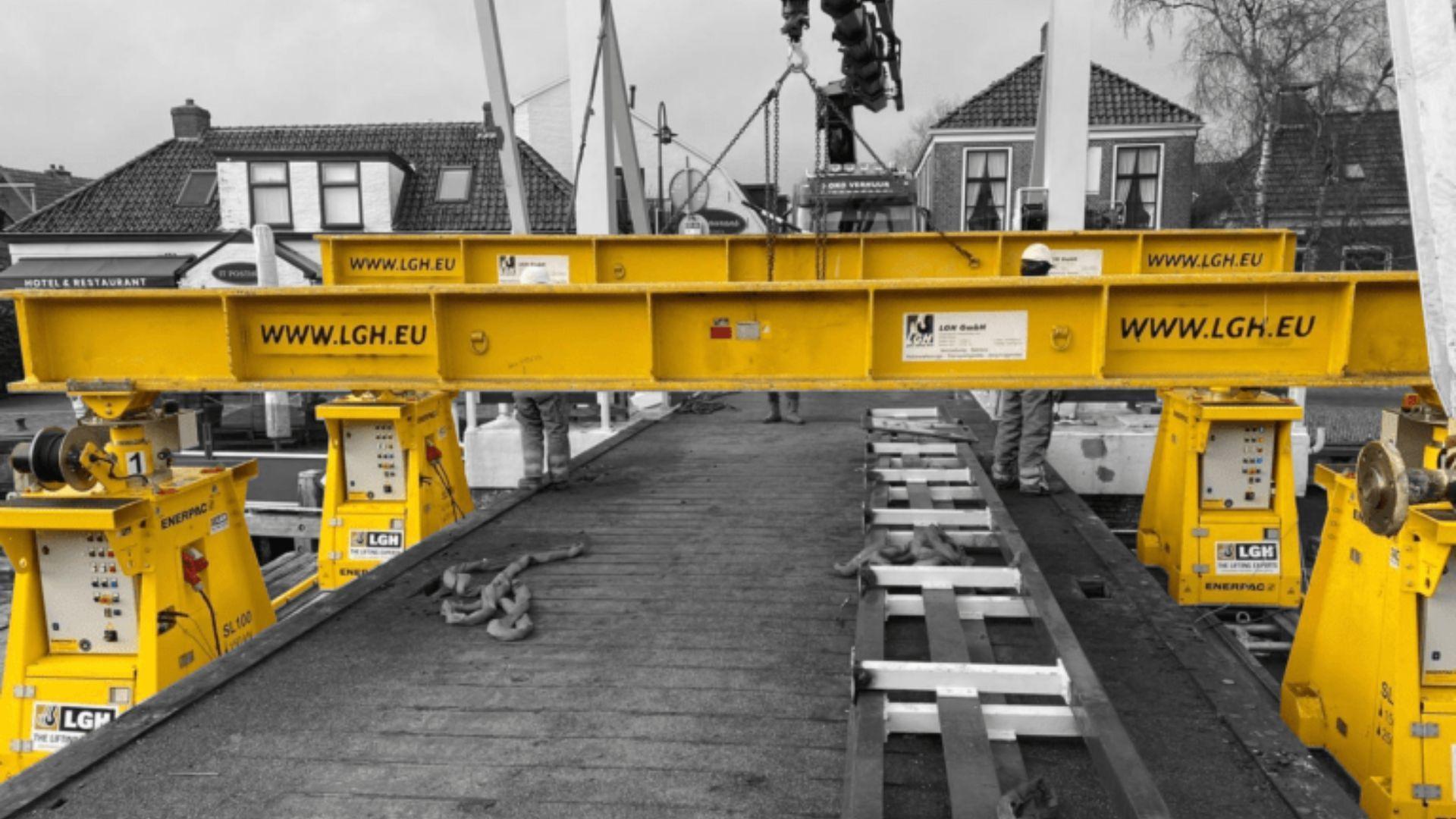
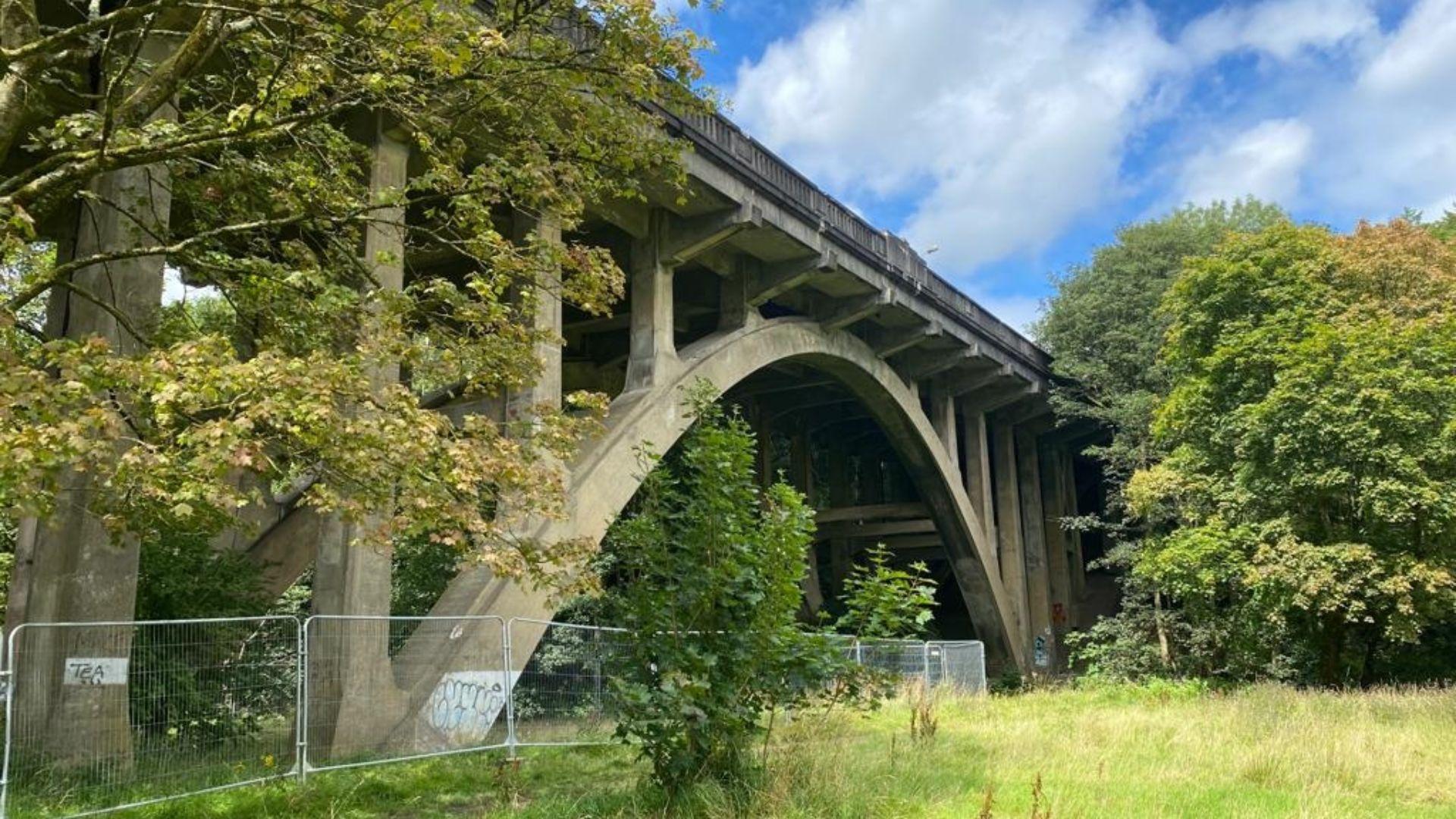
Every site is different. Whether working over water, live roads, rail lines or within confined spaces, site conditions should always influence lift planning and equipment selection. During the Queens Park Bridge refurbishment, bridging beams enabled safe underdeck access where traditional solutions were not practical. On the Steenhuisenbrug bridge removal in the Netherlands, a hydraulic gantry mounted on a pontoon provided an effective alternative to a mobile crane.
Steenhuisenbrug bridge removal
Queens Park Bridge refurbishment
3. Prioritise accuracy as well as capacity
Bridge construction and maintenance often require more than simply lifting heavy loads. Components frequently need to be positioned or moved with a high degree of accuracy. Synchronised hydraulic jacking systems can provide the control needed for tasks such as bridge deck lifting and bearing replacement, helping ensure work is completed safely and efficiently.
4. Involve specialists throughout the project
Bridge and tunnel projects can span months or even years, with lifting requirements changing at different stages.
Working with experienced lifting specialists from planning through to completion helps maintain continuity, improve efficiency and reduce project risk.
5. Never compromise on safety and compliance
Comprehensive lift plans, certified equipment and clear documentation are essential on major infrastructure projects.
All lifting equipment should be thoroughly inspected, tested and certified before arriving on site, helping ensure compliance and supporting safe project delivery.
Supporting Infrastructure Projects Across Europe
From bridge deck installations and structural maintenance to complex removals and load-testing projects, bridge and tunnel construction requires the right expertise and equipment at every stage. For more than 50 years, LGH has supported infrastructure projects across Europe with specialist hoisting, jacking, pulling and material handling solutions.
Whether you're planning a critical lift or tackling a challenging site environment, our team can help identify the right solution for the job. Call our lifting experts on 03704 247 247 or get in touch online to discuss your project.
Frequently asked questions
Why should lifting requirements be planned early on bridge and tunnel projects?
Early planning helps identify suitable equipment, account for large structural components and coordinate availability before construction begins. It can also reduce delays and help manage project risk.
What site constraints affect lifting equipment selection?
Access, headroom, confined spaces, work over water, live roads and rail lines can all influence the lifting method and equipment required. These conditions should be assessed before the lift is planned.
What equipment is commonly used for bridge construction and maintenance?
Projects may require hoisting equipment, hydraulic jacking systems, pulling equipment and material handling solutions. The correct arrangement depends on the load, access, required movement and level of positioning accuracy.
Why is accurate positioning important during bridge work?
Bridge decks, bearings and structural components often need to be moved or positioned precisely. Synchronised hydraulic jacking systems can provide the control needed for this type of work.
Should lifting equipment be inspected and certified before arriving on site?
Yes. Lifting equipment should be thoroughly inspected, tested and supplied with the appropriate certification before use, with documentation checked against the project requirements.